Most couples don’t think about lighting until they see someone else’s wedding photos and wonder why theirs look… flat.
Here’s the thing: the same venue can look completely different depending on the lighting. We’ve set up in ballrooms that looked plain during the site visit, then absolutely stunning on the wedding day. The décor helps, sure. But lighting does the heavy lifting.
This guide covers what actually matters—uplighting, moving heads, cold sparks, lasers, fog and haze—and when each one makes sense for your reception. If you’d rather skip straight to options, see our wedding lighting rentals in Toronto.
What Good Wedding Lighting Actually Does
It’s not about brightness. It’s about mood.
Three things lighting handles:
- Setting the tone — warm and romantic during dinner, high energy during dancing
- Drawing attention — to the head table, cake, dance floor, wherever you want eyes
- Making photos pop — your photographer will thank you
The key is that lighting should change throughout the night. Dinner lighting isn’t dance party lighting.
Uplighting: Start Here
If you’re only doing one thing, do uplighting.
These are LED fixtures placed around the room that wash the walls in color. Sounds simple, but the difference is dramatic.
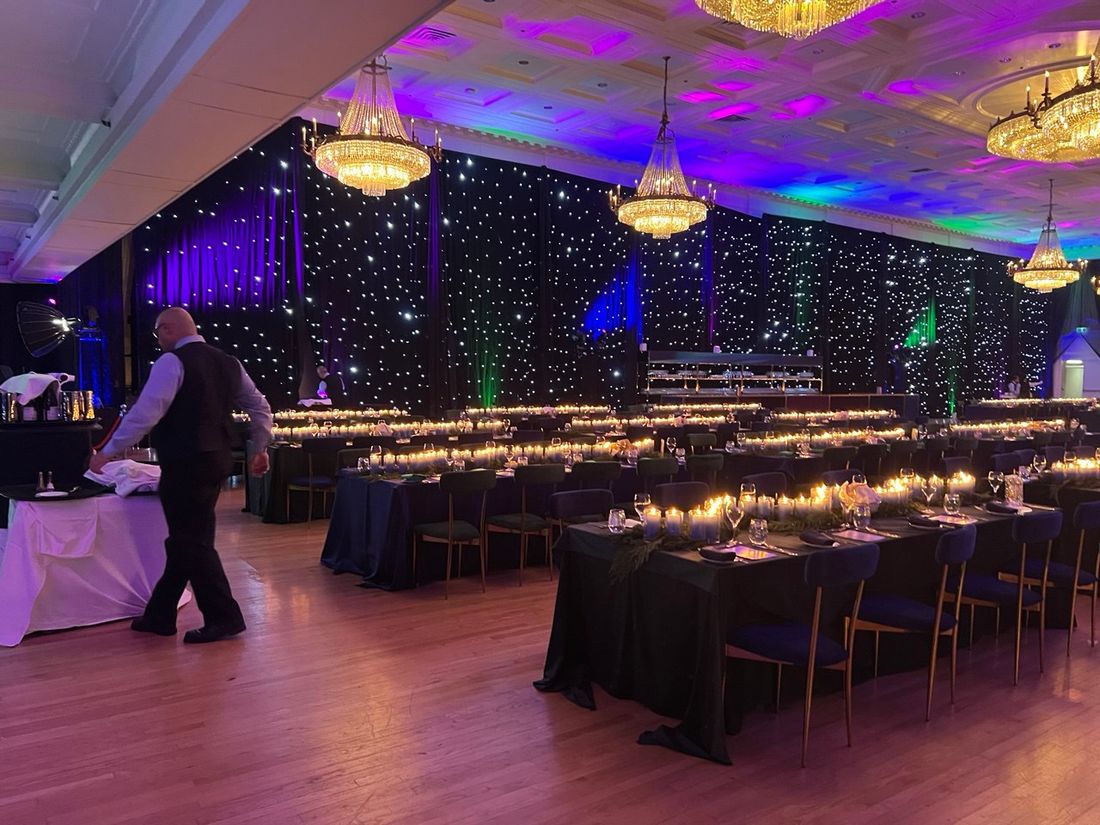
Why it works:
- Flat walls suddenly have depth
- Architectural details pop
- Your color palette ties together
- Photos have that “magazine” quality
How many do you need?
Depends on the room. Rough guide:
| Room Size | Uplights |
|---|---|
| Small (under 80 guests) | 8–12 |
| Medium (100–150) | 16–24 |
| Large (150+) | 24+ |
Space them evenly along the walls. Corners too.
Moving Heads: The Dance Floor Upgrade
These are the intelligent lights you see at concerts—they move, change color, project beams and patterns. See our moving head lighting options.
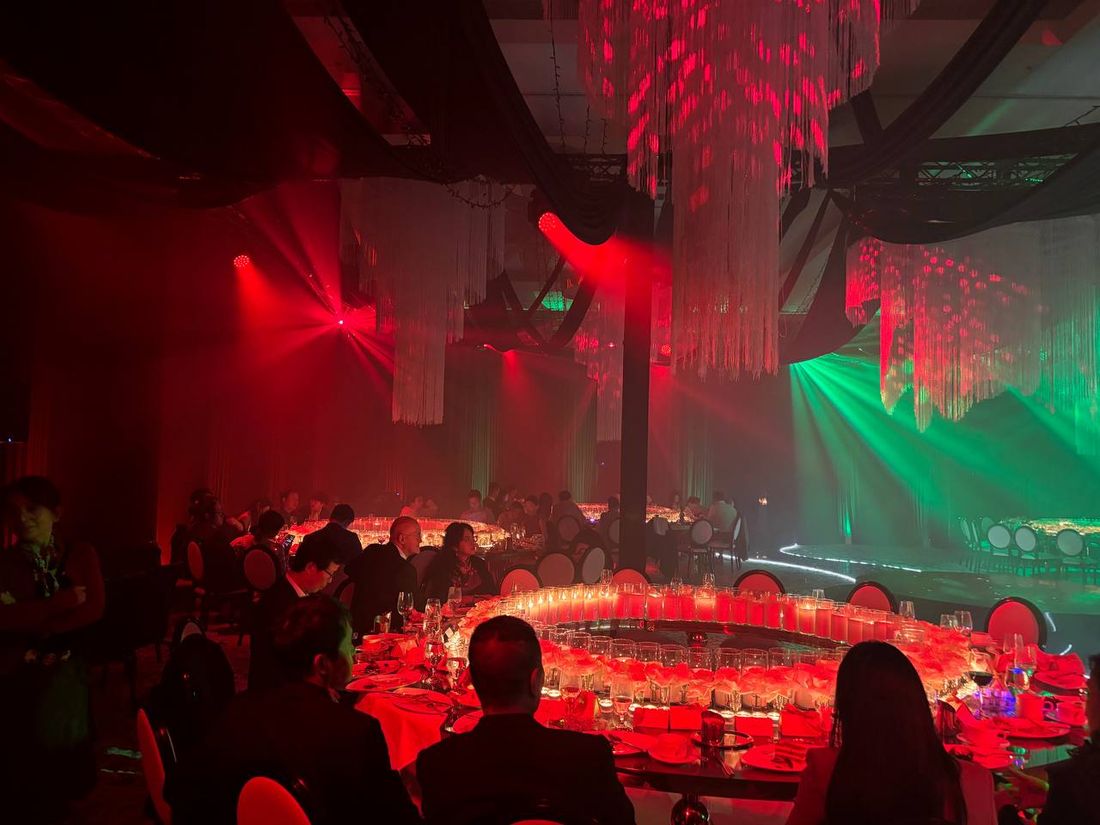
Not every wedding needs them. But if you’re planning a real dance party (not just a few songs before everyone leaves), moving heads make a noticeable difference.
When they make sense:
- You’ve got a DJ or band
- The venue has decent ceiling height
- You actually want people dancing
- The room is big enough that static lighting feels weak
How many?
2–4 for smaller weddings, 4–6 for mid-size, 6+ for larger venues. Honestly, placement matters more than quantity. Four well-positioned moving heads beat eight poorly placed ones.
Cold Sparks: The Wow Moment
Cold sparks have become one of our most requested effects. They look like traditional pyrotechnics—fountains of sparks shooting up—but they’re completely safe for indoor use.
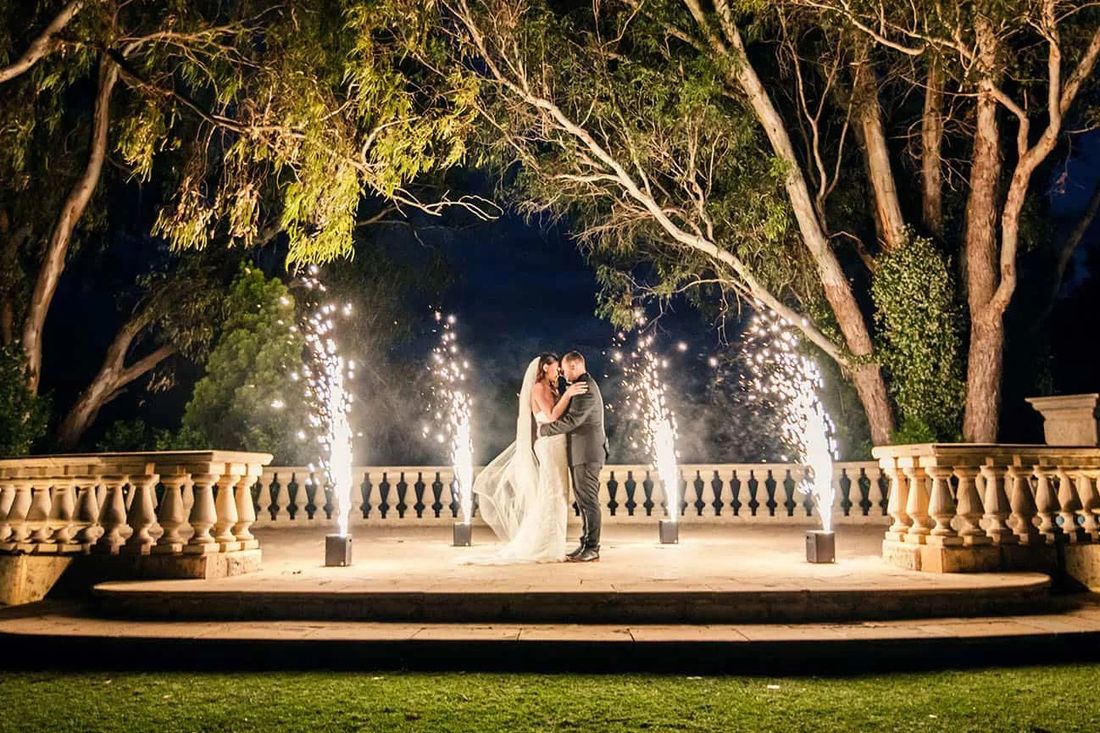
The sparks are actually tiny metal granules that glow as they’re ejected. They’re cool to the touch within seconds and won’t set off sprinklers or burn anything.
Best uses:
- First dance entrance (sparks firing as you walk in)
- Cake cutting moment
- Grand entrance to the reception
- End of the night send-off
What to know:
- Completely venue-safe (no heat, no smoke)
- Can be timed to music
- Usually positioned in pairs flanking the dance floor
- More dramatic in darker settings
If you’ve seen those viral wedding videos with the couple surrounded by sparks—that’s cold spark machines.
Lasers: Not Just for Clubs
Lasers at a wedding might sound over the top, but hear us out.
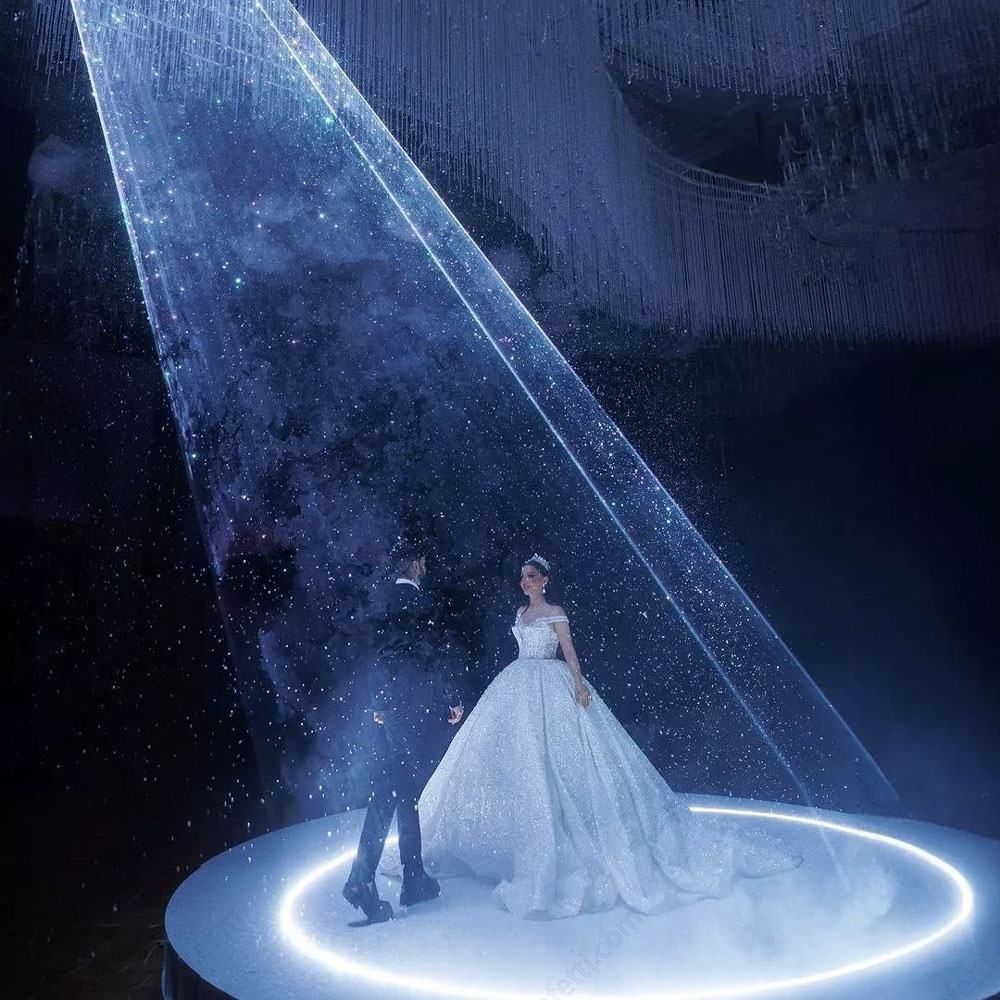
When used subtly—slow-moving beams with haze, soft colors—lasers create an ethereal, almost magical atmosphere. We’ve used them during first dances with the beams slowly sweeping overhead, and the effect is stunning in photos.
When lasers work:
- First dance (slow, ambient patterns)
- Dance party (higher energy, faster movement)
- Venues with high ceilings
- Paired with haze (otherwise beams aren’t visible)
When to skip them:
- Low ceilings
- Outdoor ceremonies (invisible in daylight)
- Very traditional/formal weddings where guests might find it “too much”
The key is programming. Concert-style rapid strobing? Wrong vibe. Gentle, sweeping beams that catch the haze? Beautiful.
Fog vs Haze: They’re Different
People use these terms interchangeably, but they do different things.
Fog machines blast thick clouds. Great for that “walking on clouds” first dance effect, dramatic entrances, or photo ops. Used in bursts, not continuously.
Haze machines fill the air with a subtle, even mist. You barely notice it’s there—until light beams become visible. Essential if you’re using moving heads or lasers, otherwise the beams just disappear into darkness.
Always check with your venue first. Some have strict policies, others don’t care.
Putting It All Together: Timeline
Here’s how we typically program lighting through the night:
| Phase | Uplighting | Moving Heads | Effects |
|---|---|---|---|
| Ceremony | Warm white/amber | Off | None |
| Cocktail & Dinner | Your colors, soft | Off | None |
| First Dance | Dimmed or off | Spotlight mode | Fog, cold sparks, slow lasers |
| Dance Party | Full color | Active beams | Haze on |
Common Mistakes We See
- Rainbow overload — Pick 1–2 colors, not five
- Skipping uplighting — The room looks unfinished
- Blasting moving heads during speeches — Read the room
- Ignoring ceiling height — Some effects need vertical space
- Not talking to your photographer — They have preferences
If You Have to Prioritize
Budget tight? Here’s the order:
- Uplighting — Biggest visual impact per dollar
- Moving heads — Transforms the dance floor
- Cold sparks or lasers — The memorable wow factor
- Fog/haze — Finishing touch
The Final Result
When everything comes together—uplighting setting the mood, moving heads energizing the dance floor, cold sparks for that unforgettable entrance—you get moments like this:
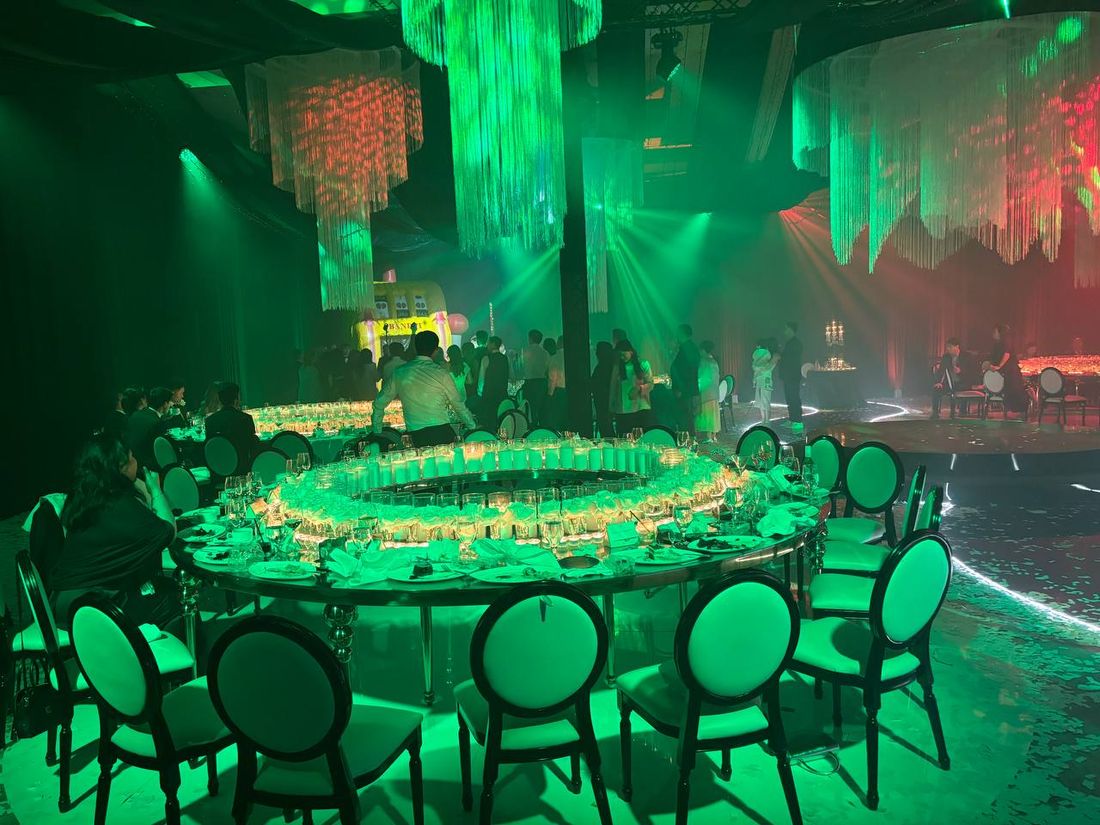
That’s what good wedding lighting looks like. Not overwhelming. Not cheap. Just right.
Questions?
Not sure what works for your venue? Send us:
- Venue name (or photos)
- Ceiling height
- Guest count
- Dance floor size
- Your vibe (elegant? party? somewhere in between?)
- Any venue restrictions on fog/haze
We’ll tell you exactly what setup makes sense.
Ready to book? See our lighting packages → or Book now →
Related reading: What Lights Do I Need? A Practical Guide